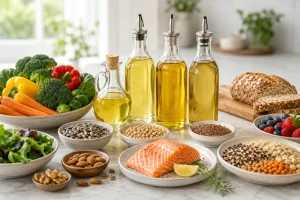
Heart health is a major concern in the United States. Nearly half of all U.S. adults have some form of cardiovascular disease – diseases affecting the heart and/or blood vessels – including hypertension, coronary heart disease, heart failure, or stroke. Many Americans rely on medications to manage or potentially prevent these conditions, but there is another way: using food as medicine.
Nutrition plays a critical role in managing heart health, but following temporary “diets” is not always the answer. Instead, making simple, everyday changes to how you eat can help you build a long-lasting eating pattern. Eating heart-healthy foods on a regular basis makes a big difference in long-term health.
Heart Healthy Eating
One eating pattern has been studied longer than any other and consistently shows a connection to long term heart health: the Mediterranean Diet.
This diet is based on the eating choices and behaviors of those living in countries surrounding the Mediterranean Sea, such as Italy, Greece, Spain, and southern France. The food preferences and cultural practices of those living in these regions vary, but these populations tend to have lower rates of cardiovascular disease and other chronic illnesses, including type 2 diabetes, age-related cognitive decline, and some cancers.
Even when this eating pattern is followed outside the Mediterranean region, the cardiovascular and overall health benefits are still observed. Additionally, adapting its core principles to different cuisines and cultures is also shown to lead to positive long-term results.
Rather than specifying exactly what to eat and when, its guidelines encourage eating from several food groups and allow for choice within them. Its flexibility, strong scientific support, wide range of health benefits, and high nutrient content are reasons the Mediterranean Diet continues to top the US News & World Report’s list of “Best Diets” year after year. In fact, To Taste’s own Chef V is one of the featured experts on the review board for this award!
There are countless delicious foods that fall under the flexible umbrella of the Mediterranean Diet, all benefitting the heart. We’ve combined these recommendations with our Whole Life Plate™ to help guide your meal choices.
Here are the four main pillars of the Mediterranean Diet along with some heart healthy recipes.
Plant-Forward Eating
“Plant-forward” means making plants a main focus of your meals, but doesn’t mean eating only plants. Plants provide vitamins, minerals, phytonutrients, fiber, fluid, and many other nutrients that the body needs. Following plant-forward eating patterns has been shown to reduce cardiovascular disease risk by improving cholesterol levels and blood pressure. Plants to prioritize include:
● Non-starchy vegetables and fruits – Vegetables and fruits benefit the heart in many ways. They provide fiber to help manage blood cholesterol, vitamins and minerals like potassium to help control blood pressure, and antioxidants to protect your blood vessels.
The Dietary Guidelines for Americans – a science-backed nutrition reference used to help guide the public – recommends 5 servings of fruits and vegetables per day. Unfortunately, only about 10% of Americans meet this goal, contributing to the prevalence of cardiovascular disease in the U.S.
Aim for about 3 cups of non-starchy vegetables and 2 cups of fruit per day, and try to choose many different colors to provide many nutrients. At meal times, try to fill more than one-quarter of your plate with non-starchy vegetables and slightly less than one-quarter with fruit.
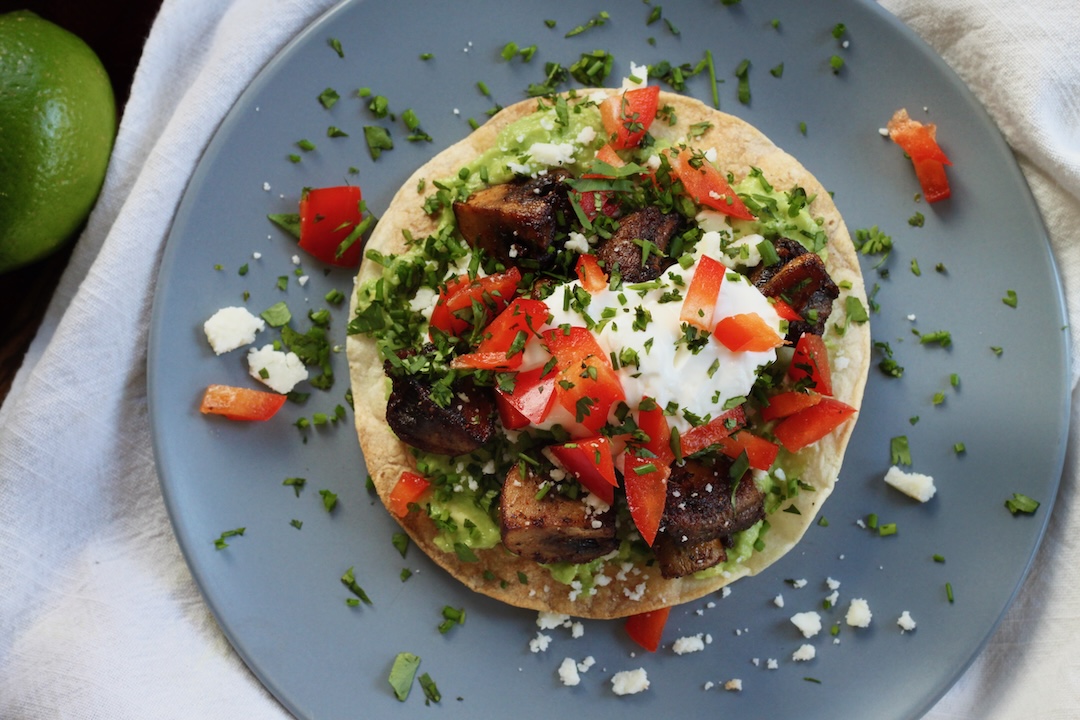
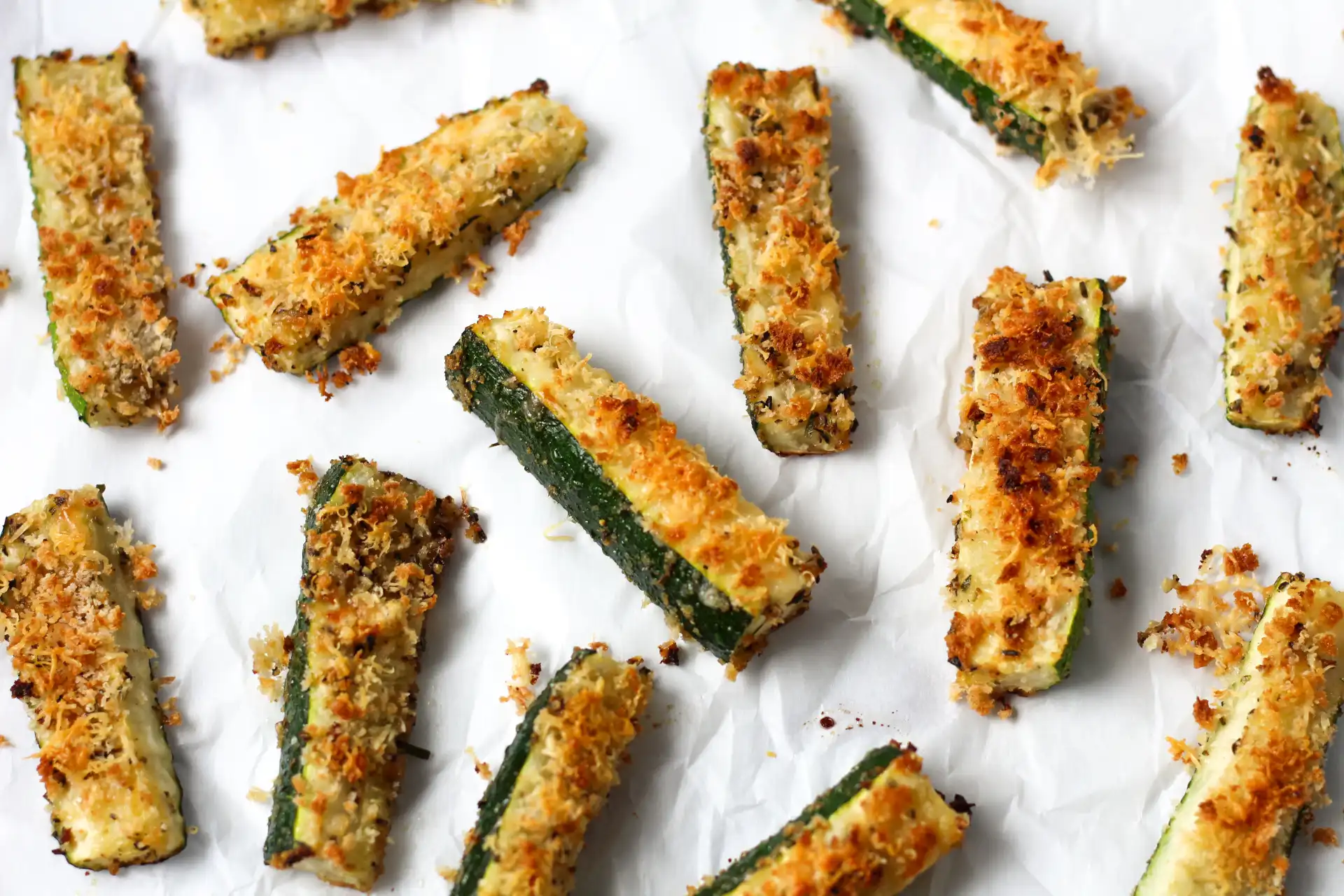
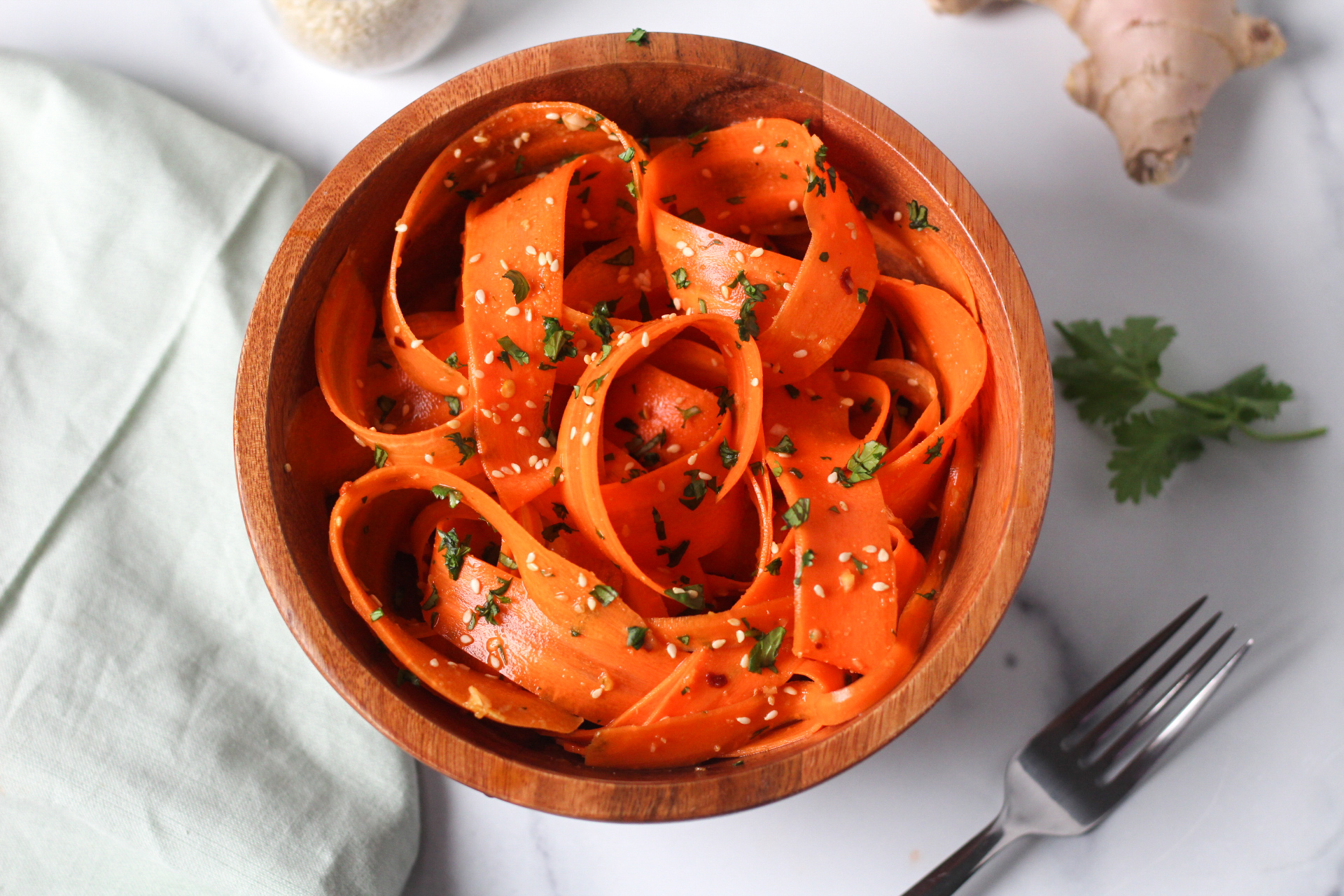
Try these Roasted Mushroom Tostadas or a Teriyaki Vegetable Stir Fry for a veggie-centric meal, or some creative side dishes like Parmesan Zucchini Sticks or a sweet and savory Carrot Salad. You can even sneak some veggies into baked goods, like these Carrot Orange Muffins!


● Whole grains and starchy vegetables – Whole grains have not been processed or refined. During refining, the most nutritious parts of the grain are removed – the bran and germ – taking away beneficial unsaturated fats, vitamins, minerals, fiber, and protein. These nutrients support heart health by helping manage cholesterol and fullness. Try to make sure half of the grains you eat are whole grains.
Choose foods such as whole grain breads, whole wheat pastas, farro, quinoa, brown or wild rice, barley, bulgur wheat, and oats. On packaged foods, check for the word “whole” as the first word in the ingredient list – or second, if it’s following water as the first ingredient – or look for the yellow Whole Grain Stamp.
Starchy vegetables – like potatoes, yuca, and butternut squash – have a higher carbohydrate content, similar to grains, and are often grouped into the same place on the plate. When compared to the non-starchy kinds, starchy vegetables don’t provide all the same health benefits. It’s still important to incorporate non-starchy veggies even when you have starchy ones on your plate. Potatoes are the most commonly eaten vegetable in the U.S., but fried forms like French fries and chips don’t count toward your vegetable servings.
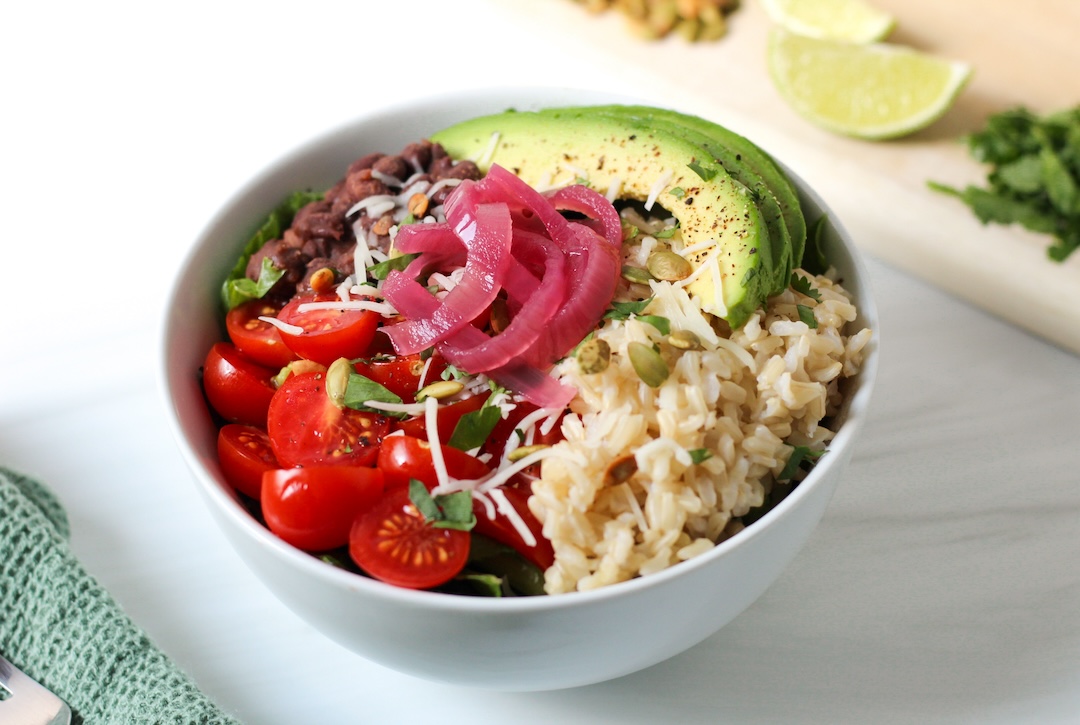
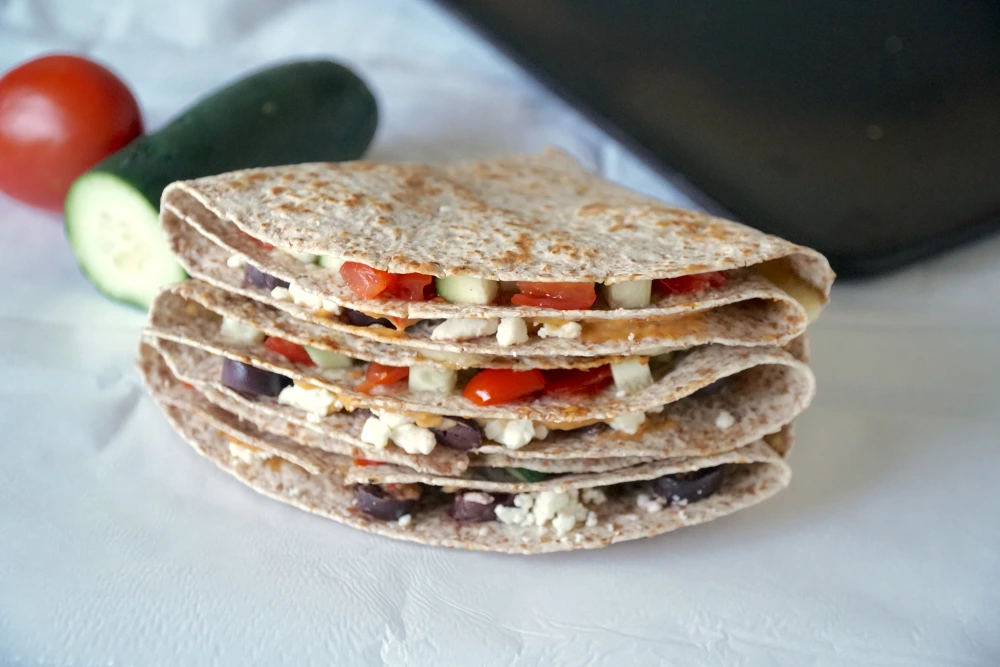
Aim for grains and starchy vegetables to fill one-quarter of your plate. Try building whole grains into your meals with a brown rice Burrito Bowl or whole wheat Mediterranean Wrap. For some simple roasted veggie options, try Parmesan Garlic Roasted Potatoes or Sweet and Spicy Sweet Potatoes. These Cherry Overnight Oats are an easy, no-cook breakfast option.


- Nuts and seeds– These small, crunchable foods are nutrient dense, meaning they pack many nutrients into a small portion. Nuts and seeds are rich in unsaturated fats, which help lower LDL (“bad”) cholesterol when eaten in place of saturated fats. They also provide plant protein, fiber, and many vitamins and minerals.
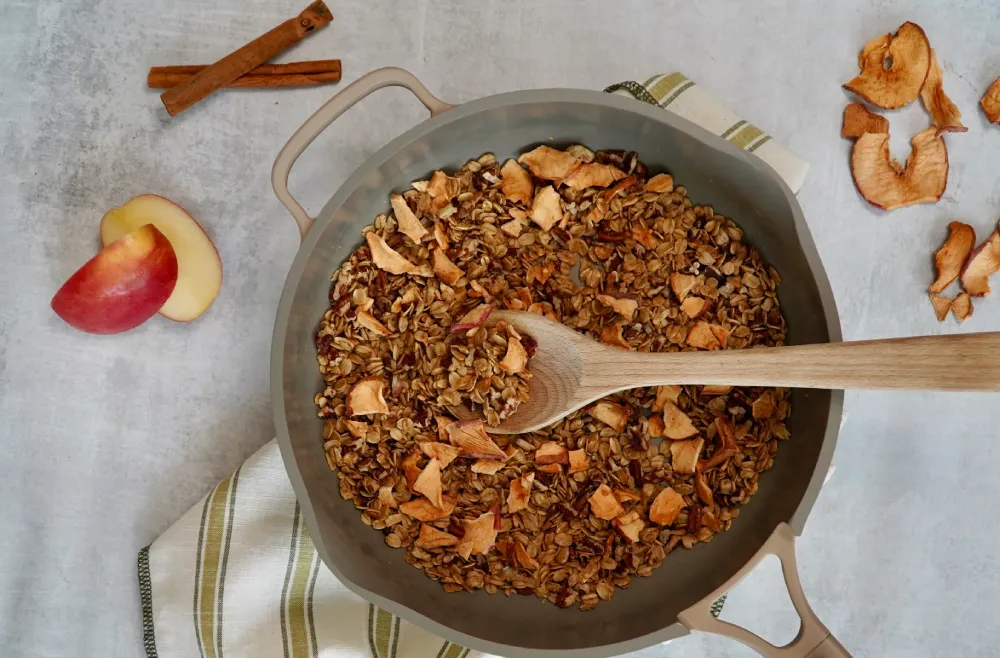
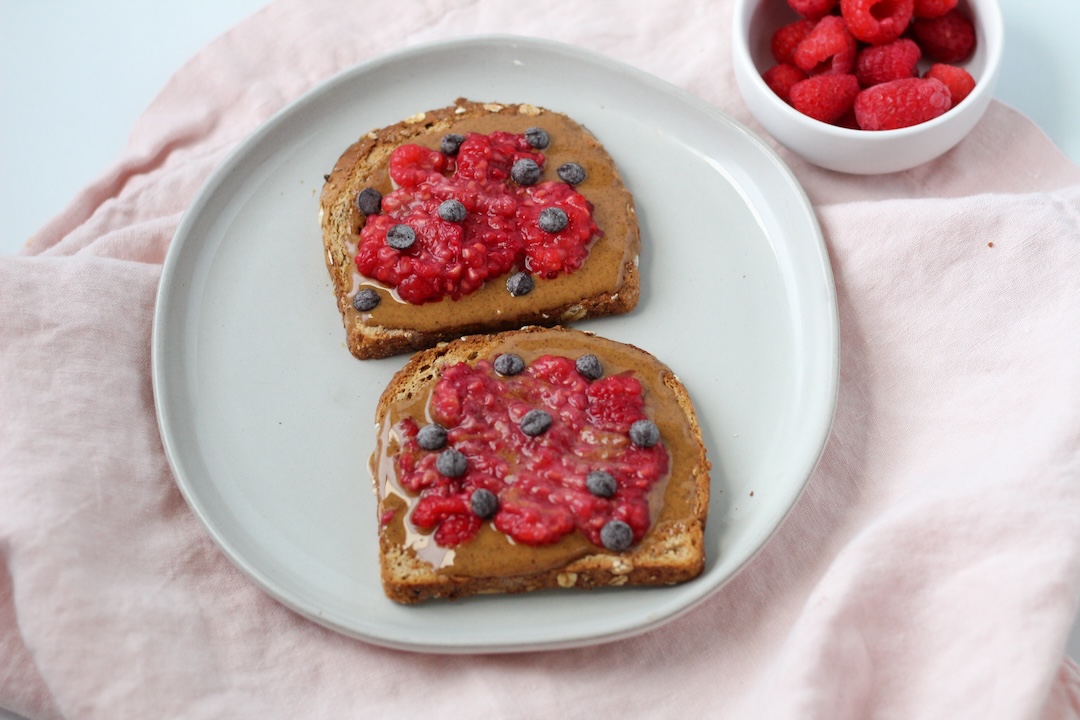
Try to eat about 5 ounces of varied nuts and seeds per week, which is about 2 tablespoons to ¼ cup per day. For an on-the-go option, prep some Apple Cinnamon Granola or Sweet and Salty Trail Mix for a snack. For a meal, try Almond Butter Toast with Raspberries and Chocolate or a classic Peanut Butter Banana Sandwich.


- Legumes – Legumes are a category that includes all kinds of beans, lentils, and peas. An excellent source of fiber, while also being fairly starchy, legumes are basically a starchy vegetable. The soluble fiber found in legumes and many plant foods helps lower blood cholesterol and keep you feeling full after a meal.
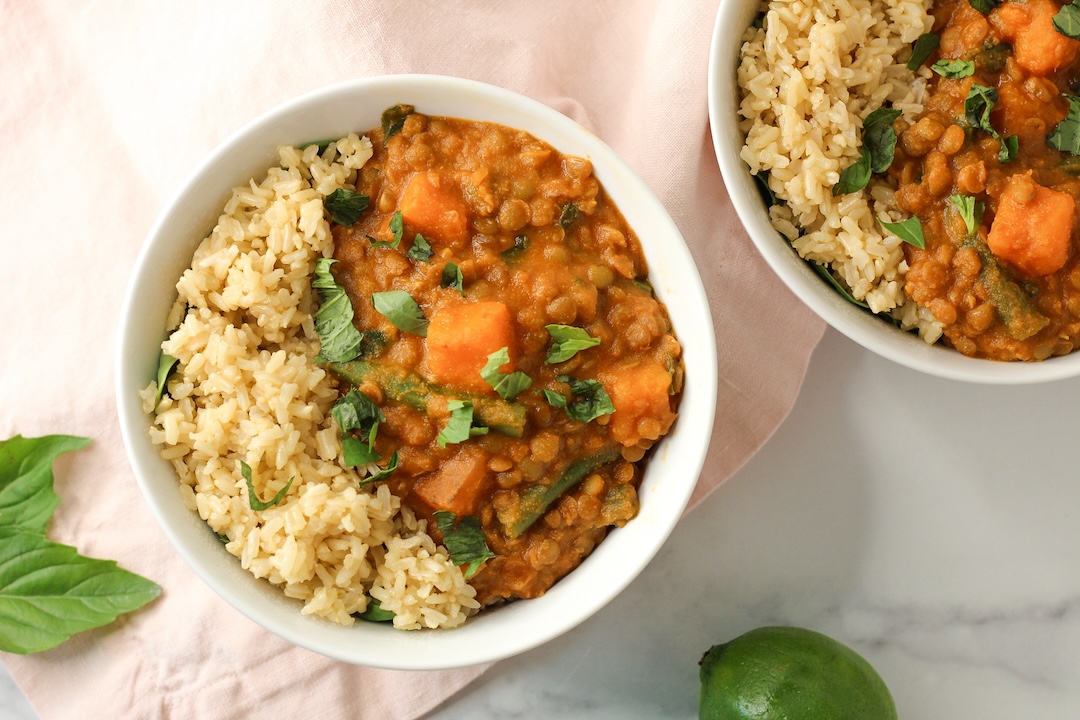
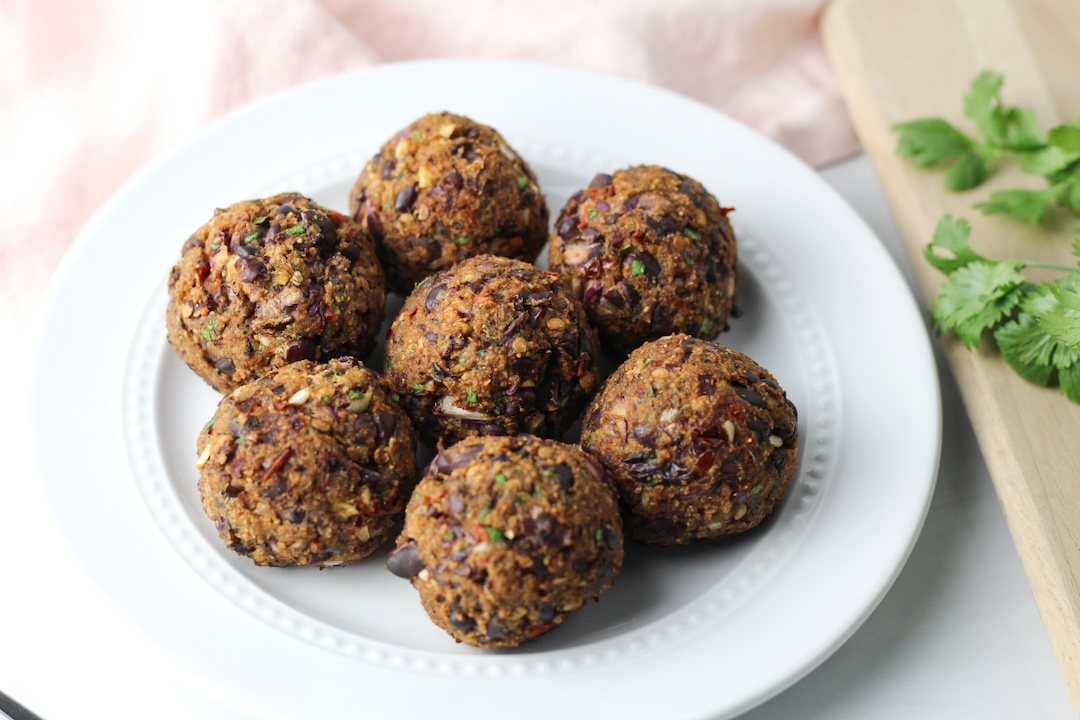
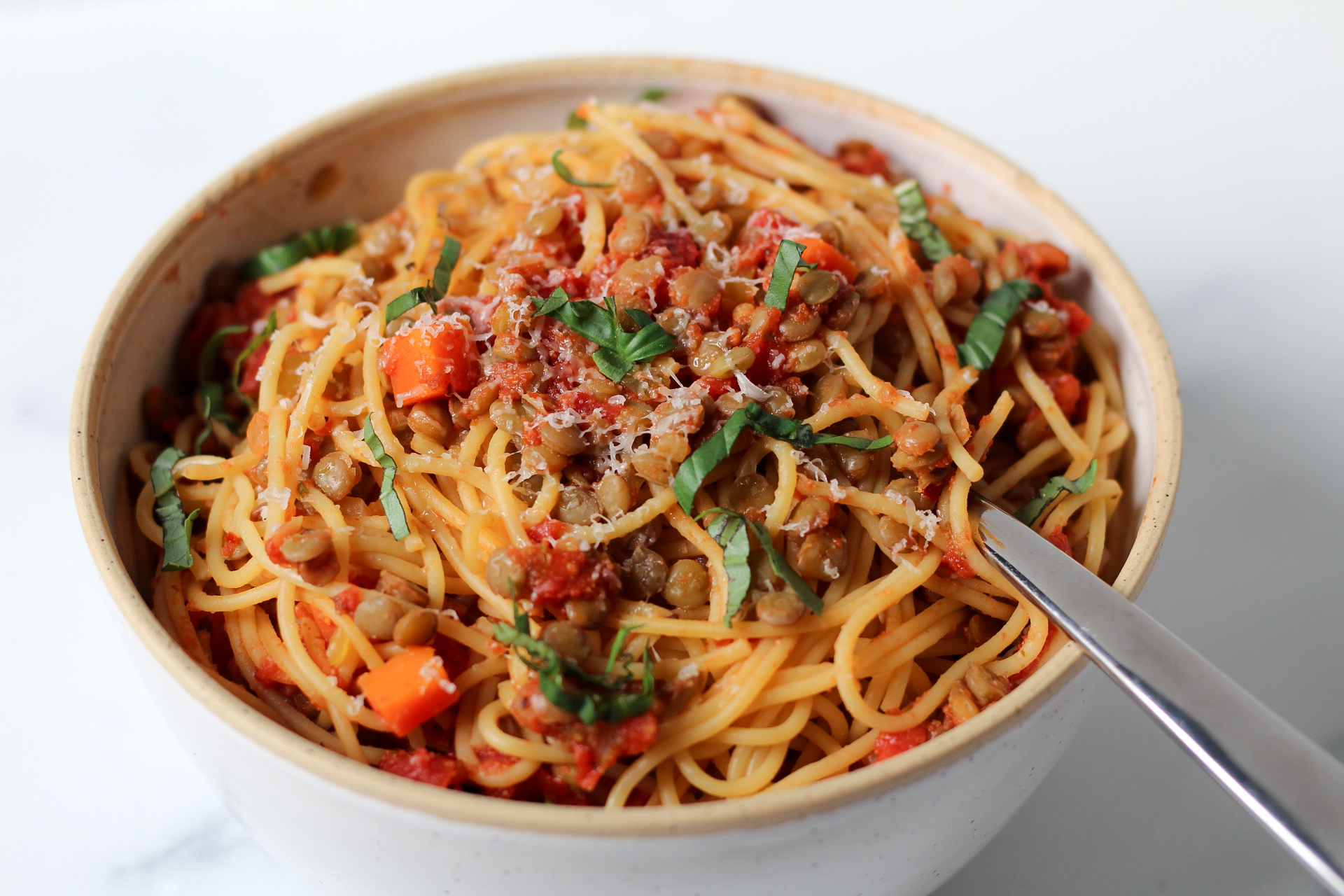
Legumes can be eaten in many forms. Some are great for keeping their shape and roasting (like these Spicy Roasted Chickpeas) while others work well in soups and sauces (like in this Lentil Curry). Try these Black Bean Meatballs or Lentil Spaghetti for a hearty plant protein-filled meal. Soybeans are also a great option because they’re made into many protein-rich products like tofu, tempeh, soy milk, and more.

Thoughtful Protein Sources
Plants can be your primary protein source if you prefer, but a variety of animal proteins can also support heart health. In the Mediterranean region, the animal proteins chosen are lower in saturated fat or sometimes even high in beneficial unsaturated fat. Regardless of the type, aim for protein to fill about one-quarter of your plate.
- Legumes – Here they are again! Legumes can actually count as a vegetable, a starch, anda protein. That’s a real superfood. Many animal proteins are high in saturated fat, which can raise blood cholesterol and increase risk of heart disease. Legumes, however, offer protein and healthy unsaturated fats along with fiber and other nutrients found in vegetables.
- Fish and seafood – Because this eating pattern is focused on the Mediterranean Sea region, fish and seafood are eaten often. Though these are animal proteins, they don’t contain nearly as much saturated fat as land animals. “Fatty fish” are rich in beneficial unsaturated fats, specifically omega-3 fats. Omega-3s can help prevent plaque build-up in the arteries by both lowering triglyceride levels and raising HDL (“good”) cholesterol levels.
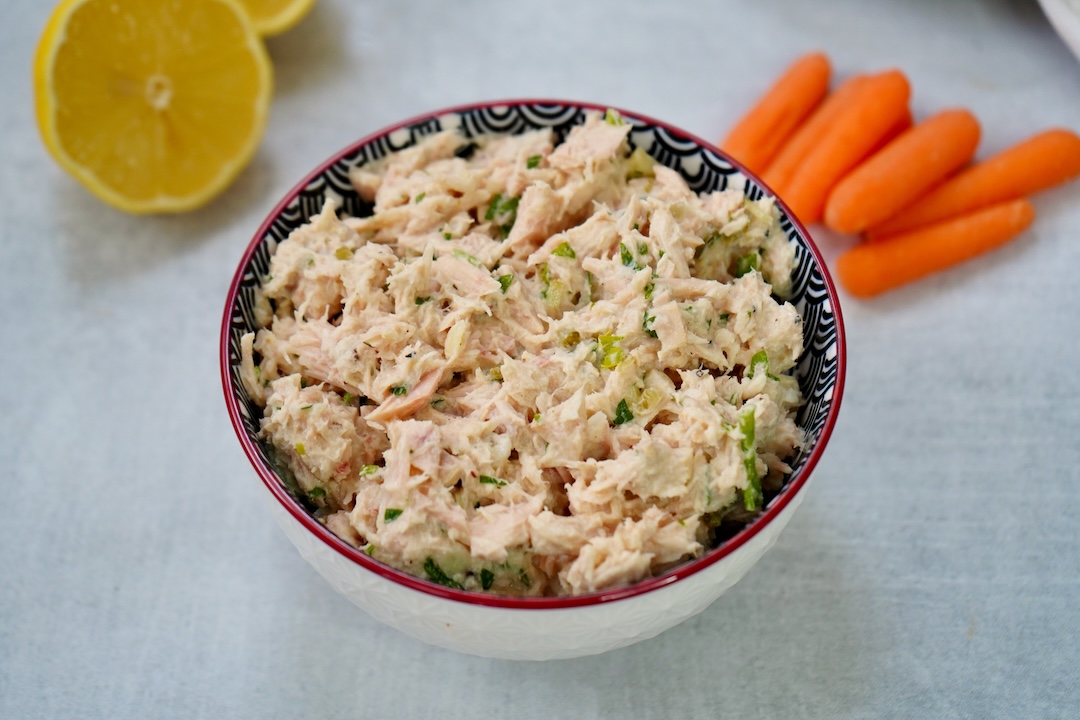
Try to eat fish at least twice per week, especially fatty fish like salmon, mackerel, herring, rainbow trout, albacore tuna, anchovies and sardines. Try this Roasted Fish Base Recipe as a general guide, this Moroccan-inspired Spiced Salmon with a delicious spice blend, or an easy lunch option with this Tuna Chickpea Salad.


- Dairy– Dairy foods like milk, yogurt, kefir, sour cream, and cheese can be a great source of calcium, vitamin D, and protein. However, being from a land animal, dairy is naturally high in saturated fat. Depending on the amount of saturated fat in your usual diet, you may choose to consider incorporating low fat dairy. However, if you primarily eat plant-forward meals with more unsaturated fat, incorporating higher fat dairy may not lead to excess saturated fat intake.
Dairy can be served in many ways, such as incorporated into sauces or dips like this Tzatziki, or served on a delicious home made pizza with this Pizza Base recipe.


- Eggs and poultry – The Mediterranean Diet includes eggs and poultry too, filling in the gaps after legumes, seafood, and dairy. Eggs can be a good source of vitamin D and are usually an affordable way to boost a meal. Poultry comes in many forms, but thighs and skin contain more saturated fat. Choosing skinless breast meat or lean ground poultry more often provides lots of protein with less saturated fat.
Try Avocado Toast topped with an egg cooked to your preference for a protein- and unsaturated fat-filled meal; this Mediterranean-inspired Turkey Burger; or this spiced Shredded Chicken that can be used in tacos, salad, grain bowls, and more.
Unsaturated Fats & Extra Virgin Olive Oil
There’s one more important ingredient in the Mediterranean Diet that we haven’t yet touched on: olive oil.
Extra virgin olive oil – which is essentially fresh pressed juice from olives – is a great source of unsaturated fats with a distinct aromatic, earthy flavor. For heart health, it’s recommended to replace most of the saturated fat in your diet with unsaturated fat, rather than avoiding fat completely. Fat is essential for good health, as long as it’s primarily unsaturated.
In the kitchen, extra virgin olive oil is best used when cooking on lower heat or when drizzled over a finished plate. It has a low ‘smoke point,’ meaning it gets smoky more easily than other oils when the temperature gets too hot. For higher-heat cooking or a more neutral flavor, canola oil is a great option and also provides unsaturated fats.
Most plant-based oils primarily contain unsaturated fats, but coconut oil and palm oil have a higher saturated fat content and are best limited. A helpful trick to determine the type of fat in your oils at home: if they’re solid at room temperature, they’re high in saturated fat. If liquid at room temperature, they’re mostly unsaturated.
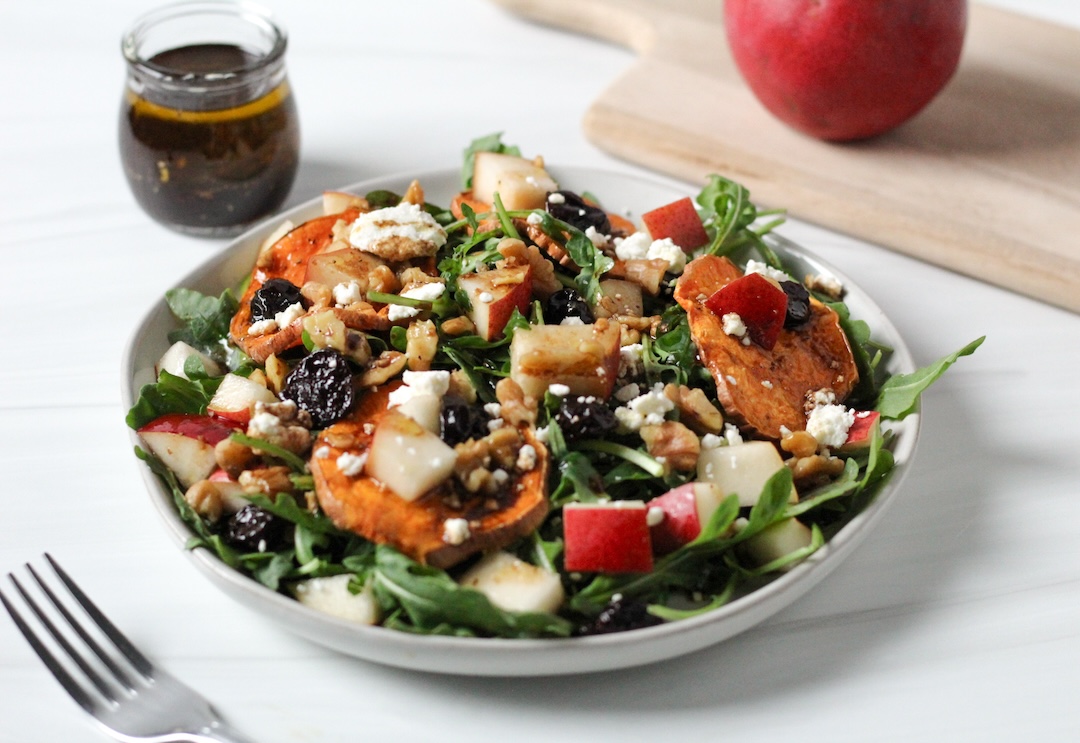
Extra virgin olive oil is a great option for salad dressings, like the balsamic vinaigrette in this Goat Cheese Pear Salad with Sweet Potato Crisps. This dish also uses two other ingredients that are packed with omega-3 fats: walnuts and avocado. To make your own dressing, follow this Vinaigrette Base Recipe using extra virgin olive oil and any of your favorite flavors.

Foods & Nutrients of Concern
In addition to the many foods to add to your eating pattern, there are a few foods that are recommended to limit.
- Red meat – Beef, pork, lamb, and goat count as red meat. These meats are eaten less often in the Mediterranean Diet than seafood, poultry, eggs, and dairy. Eating red meat often is associated with a higher risk of cardiovascular disease and some cancers. It’s best to eat red meat only occasionally and in small portions.
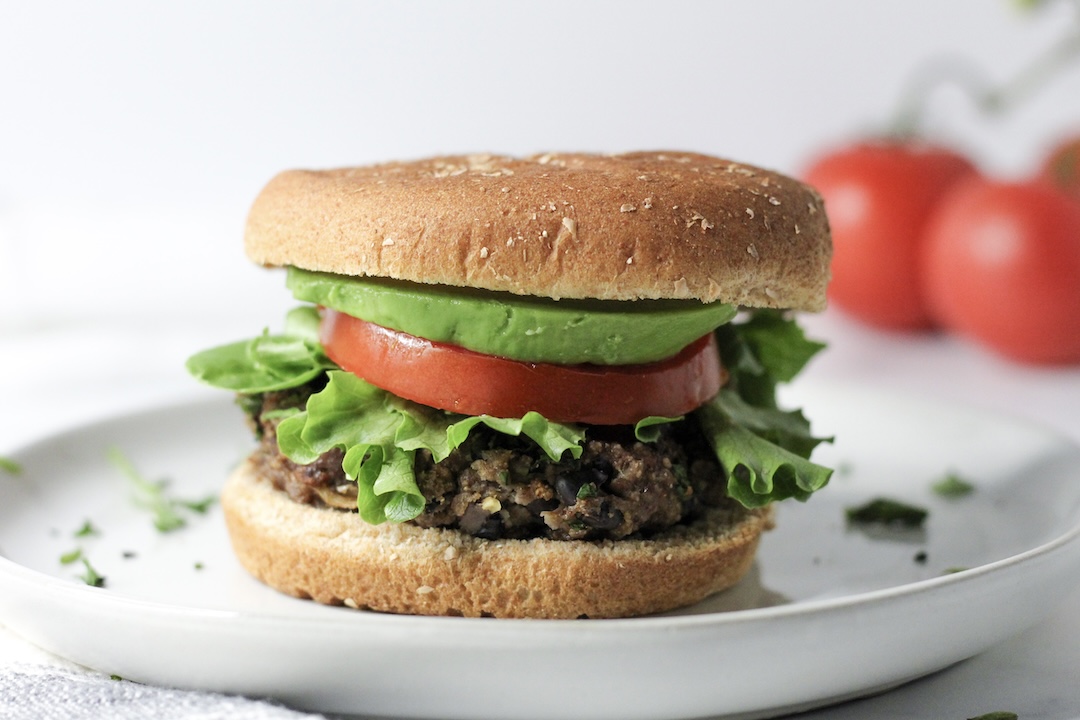
An option to help reduce your red meat consumption is to combine it with other protein options in the same meal. For example, in this Beef Burrito Bowl, beef and lentils are the proteins. In these Chipotle Burgers, black beans are mashed and mixed with ground beef to form the patties, giving beef flavor with less actual beef.

- Ultraprocessed foods – This category covers a broad range of foods that have been modified from their original form. Some foods that are technically considered ultraprocessed can still have a place in a healthy, Mediterranean-style eating pattern, such as fruited yogurt. However, foods with long ingredient lists of items not likely to be found in your kitchen cabinet are best to limit in your diet. These types of foods tend to be high in added sugar and sodium.
While it’s completely fine to include ultraprocessed foods occasionally, one of the main focuses of the Mediterranean Diet is whole foods that have been minimally processed.
- Added sugar – When sugar is added to a food when it was not naturally there, that’s called added Sugar-sweetened beverages, desserts, and sweet snacks are the largest contributorsto added sugar intake in the U.S. When sugar is added to foods, it adds additional refined carbohydrates and calories without adding valuable nutrients. Too much of this on a regular basis is directly related to risk of heart disease, weight gain, and type 2 diabetes.
When sugar is naturally present – like in fruit, dairy, and grains – it’s likely also accompanied by other beneficial nutrients such as fiber, vitamins, minerals, and/or protein. On packaged foods, look for the term “added sugars” on the nutrition facts label to identify whether the sugar was added.
- Excess sodium – Sodium is essential, but Americans often eat too much. It doesn’t just come from table salt; the biggest sourcesof sodium in the American diet are pizza, breads, cured meats, burritos, tacos, and other processed foods. Salt is often added to processed foods to enhance flavor and shelf-life.
When we eat too much sodium, it makes sodium levels in the blood too high. To respond, the body pulls water into the blood vessels to try to dilute it. This increases blood pressure and puts strain on the blood vessels and the heart, increasing the risk of heart attack or stroke. Most adults should aim to consume no more than 2,300 mg sodium per day.
To keep foods flavorful without excess salt, use herbs, spices, vinegars, and citrus juices. This Tahini Dressing and Vegan Basil Pesto use a variety of delicious ingredients to provide lots of flavor to your meals. If you do add salt, go light and be aware of how much you use.


Jump-Start Your Heart Health
To make any kind of lasting change, it’s best to start small. Pick one area covered above and start there; don’t worry about being perfect. Small, consistent changes can gradually improve your heart health and lower your risk of disease. Remember, the Mediterranean Diet is not about following a temporary diet, but about building a lasting eating pattern.
Living a heart-healthy lifestyle is about progress, not perfection. Even small improvements can make a big difference.
For more guidance, check out these articles and resources:
- Plant-Based Meal Prep: Preserve your Time, Money, and Health
- Meal Planning for Beginners: 10 Steps for Success
- Healthy Grocery Shopping: 5 Simple Strategies to Build a Healthy Cart
- How to Learn to Cook: Use Base Recipes
- Ingredient Guide