We’re Glad You’re Here!
Please note that we are currently in the process of updating our articles so that you have the best user experience possible. While you are welcome and invited to read this old article, know that we are working on providing up-to-date resources and citations where appropriate. In the meantime, feel free to check out our latest re-vamped articles:
Food as Medicine: How Diet can Prevent and Manage Disease
Cook through COVID-19: 5 Kitchen Strategies for your Health!
Healthy Grocery Shopping: 5 Strategies to Build a Healthy Cart
Healthy Pantry Staples and Fridge Essentials
Goodbye Recipe Obsession: Learn to Cook without Recipes
Happy reading!
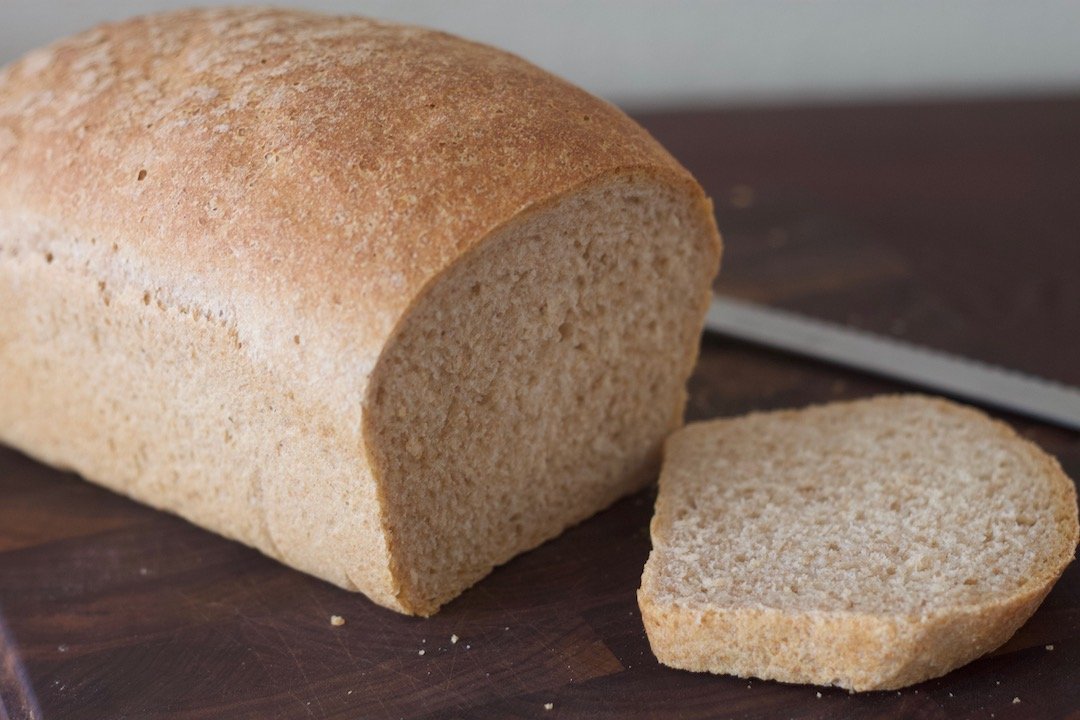
Gluten is all the buzz right now, and we are sure many of you are wondering what it is and if you should be avoiding it. So what exactly is gluten? Gluten is the protein complex that forms when certain grains, like wheat flour, are combined with water. Gluten is responsible for much of the texture and volume of baked goods. One of the best visual examples of gluten development is seen when you make pizza dough. As you knead the flour with water, the dough becomes stretchier and stretchier, which means great gluten development. Doesn’t seem so evil after all, does it? People have been eating gluten across cultures since the development of pasta, bread, tortillas, etc. Why now are people having a reaction to it? Have people always reacted to it? Is there an increase in the protein content of our wheat crop? People with celiac disease definitely have an immune response to gluten, but others are being diagnosed by select medical professionals with non celiac gluten sensitivity (NCGS). There are debates in the medical community as to whether this truly exists, and if so, how many people are affected by it. I read estimates between .5-20% of the population experiences a reaction to gluten. So why is it so unclear? For one, there is not a current proven test to diagnose someone with NCGS. Some medical professionals that test for it are looking at blood, saliva, and/or stool samples, but there is no specific biomarker for NCGS. More people are diagnosed through the process of exclusion, which is also not a definite diagnosis. There are many variables involved when someone gives up gluten. Most people will report feeling better and having more energy, but think about everything that is given up along with gluten. Gluten is found in a lot of our favorite empty calorie foods, like cookies and cakes. Most readily available highly processed foods have gluten. When you go to your favorite restaurant, the dinner rolls they set at the table have gluten. When you give up gluten, you are giving up a lot of foods that could lead to weight gain and lethargy. Now the food industry has jumped on this trend, and there are now more gluten free options at the grocery store and restaurants. Don’t be fooled into thinking gluten free means healthy, especially with highly processed foods. A gluten free cookie is still a cookie, and unfortunately, we are seeing similarities in these products to when manufacturers removed fat. More sugar, more calories, and more sodium are often added, so be careful! Here at To Taste, we really wondered if maybe our wheat cropped has changed and if maybe GMOs could be the culprit. We were surprised to learn that GMO wheat is not allowed to be grown in the United States, and from what we could tell, there doesn’t appear to be a significant increase in protein content in our wheat crop. Looking at highly processed foods, there has been an increase in the addition of vital wheat gluten, so maybe it’s the sheer quantity people consume has increased. Many modern recipes and commercial food products are formulated to enhance texture, which often means adding extra gluten. This might be contributing to increased sensitivity, especially in individuals with already compromised gut health. There is a whole other theory, that maybe it’s not gluten after all giving people problems, but something called FODMAPs (Fermentable Oligo-Di-Monosaccharides and Polyols), but that’s a post for another day!
And yes, for those curious: does gluten have a taste? While gluten itself is not strongly flavored, it contributes to the chewy, satisfying texture that defines many baked goods.
This unique texture can affect how we perceive taste, especially in artisan breads and fresh pasta.
So should you give up gluten? Many people wonder, is gluten bad for us? We will leave that up to you, but here at To Taste, we are still fans. We’ll just stick to whole natural foods, mostly cooked from scratch.
To YOUR Taste!
Chef V