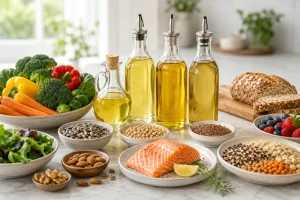
In the nutrition world, fat is controversial. We’re here to give you reliable information about fat: the different kinds, what it does for us, how much to eat, and what to eat.
What is fat, and why is it so important?
Fat is one of the three macronutrients, with the other two being carbohydrates and protein. These are the only nutrients providing us calories (also known as energy), which we need to live. Fat provides the most energy at 9 calories per gram of fat, versus 4 calories per gram of carbohydrates or protein.
Other than providing energy, fat helps the body in many other ways. It helps with brain development and maintenance throughout our lives, moisturizes our skin and eyes, assists with vitamin absorption, protects our hearts and other organs, keeps our bodies warm, helps stabilize blood sugar after eating, and much more.
In addition to all these health benefits, fat brings a lot of benefits to food. It enhances flavor and texture, assists in heat distribution and browning during cooking, and helps us feel full. It’s an essential part of a balanced, delicious meal.
There are three primary types of fat – unsaturated, saturated, and trans fat – each with different effects on the body.
Types of Fat: Saturated Fat
Saturated fats are those that have a chemical structure causing them to be solid, rather than liquid, when sitting on your kitchen counter at room temperature (like butter, coconut oil, or cooled bacon grease).
Health Effects of Saturated Fat
When we eat large amounts of saturated fat, the liver is triggered both to produce more LDL “bad” cholesterol and to not remove as much LDL from the blood, leading to high blood cholesterol.
Untreated high cholesterol can lead to plaque build-up in the arteries, narrowing and potentially blocking blood flow pathways. Evidence shows that eating more saturated than unsaturated fat increases the risk of stroke and heart disease, two of America’s top causes of death.
Food Sources of Saturated Fat
Saturated fats mostly come from animal products, including red meat, poultry, and dairy products (like milk, yogurt, cheese, and butter). However, saturated fat is also found in some plant oils, specifically coconut and palm oil. Many kinds of baked goods, fast foods, and processed foods are also high in saturated fat.
Not All Saturated Fat is Created Equal
There has been research suggesting that the types of saturated fat found in dairy do not have the same negative health effects as saturated fat from meat. Researchers have observed lower body fat, lower inflammatory markers, and improved lipid profiles for people that consume more of their overall saturated fat from dairy sources when compared to those consuming less dairy.
Types of Fat: Trans Fat
Trans fat is primarily man-made, created through a process called “hydrogenation” used to turn unsaturated into saturated oils. Food manufacturers have used this because it increases product shelf-life and decreases production costs.
Health Effects of Trans Fat
In the 1990s, researchers repeatedly found evidence of the health risks of trans fat, which ultimately led the Food and Drug Administration (FDA) to ban trans fat use in food products. Similarly to saturated fat, trans fat increases the amount of LDL cholesterol in circulation. However, it also reduces HDL “good” cholesterol in the blood, further increasing the risk of heart disease and stroke.
Food Sources of Trans Fat
An unfortunate loophole still exists that allows food companies to add a small amount of trans fat to their products – so small that it must be less than 0.5 grams trans fat per serving, allowing them to list it as 0 grams on the nutrition facts label. The only way to identify foods containing trans fats is to read the ingredients lists on packaged products and look for the term “partially hydrogenated.”
If unable to read the label, it’s best to be cautious about fried products, baked goods, and any processed packaged foods. Trans fat is also naturally present in very small amounts in animal proteins, but packaged foods are the primary source to watch out for.
Types of Fat: Unsaturated Fat
Unsaturated fats are the third and final type, whose chemical structure causes them to be liquid at room temperature (like olive or canola oil). Most foods rich in unsaturated fats are plants, rather than animal sources.
Unsaturated fats have two sub-categories: monounsaturated and polyunsaturated. Eating more unsaturated fats – especially omega-3 polyunsaturated – than saturated or trans fats is associated with a lower risk of stroke and heart disease.
Monounsaturated Fats
Monounsaturated fat intake has been shown to help reduce LDL “bad” cholesterol and potentially raise HDL “good” cholesterol when eaten in place of saturated fat.
Extra virgin olive oil, a staple in the Mediterranean diet, is an excellent source of monounsaturated fat. Other sources include avocados, olives, most nuts, sesame and pumpkin seeds, and cooking oils including canola, peanut, safflower, and sunflower oils. Egg yolks are a great animal-based source.
Polyunsaturated fats
Polyunsaturated fats are considered essential, meaning our bodies can’t make them so we need them through food. The two most common types of polyunsaturated fats are omega-3 and omega-6 fats.
- Omega-3 fats – This type of fat is connected to many important bodily processes, including reducing inflammation, lowering blood pressure, maintaining a regular heart beat, relaxing the arteries, and regulating blood clotting. Omega-3 fats are recommended to help prevent heart disease and stroke.
Omega-3s are also beneficial for brain development in utero and early life stages, and have been shown to help to prevent or reduce age-related cognitive decline. However, even given all these health benefits, Americans don’t eat enough omega-3s.
Foods that are richest in omega-3 fats include fatty fish like salmon, mackerel, and sardines; walnuts; chia seeds; flaxseeds; and oils like walnut, flaxseed, soybean, or canola oil. Fish oil supplements and plant-based marine supplements such as algae are great options as well. Be sure to speak with your doctor before taking new dietary supplements.
However, it’s important to keep in mind that nutrients from food are more easily absorbed than those from supplements. Additionally, the types of omega-3s found in fatty fish and fish oils (called EPA and DHA, for short) are more easily absorbed in the body than those found in plants (called ALA, for short).
- Omega-6 fats – The other primary type of polyunsaturated fat, these fats are also essential because of their importance in regulating blood flow and the inflammatory and clotting processes.
Some of the best food sources include nuts and seeds (like sunflower seeds, pumpkin seeds, pine nuts, and cashews), soy products (tofu, soy milk, edamame, and soybean oil), as well as other vegetables oils including grapeseed, sunflower, and corn oils. Many of these oils are used in packaged and processed foods, so it’s much easier for Americans to eat enough omega-6 fats. Whole grains and legumes can also add omega-6s to your meals, as well as eggs as an animal source.
The ratio of omega-3 to omega-6 fats in the diet – the amount of one type eaten compared to the other – has been studied, but research hasn’t determined one recommended ratio. Rather, aim to eat primarily unsaturated fats (over saturated and trans fats), with a specific focus on omega-3s and monounsaturated fats since those aren’t found as effortlessly in the American diet.
How much fat should we eat?
The dietary recommendations for fat that are taught by health professionals, like registered dietitians and doctors, are determined by the Dietary Guidelines for Americans (DGAs). These guidelines are updated every five years by the U.S. Department of Agriculture (USDA) and Department of Health and Human Services (HHS) with the latest reliable science and public health recommendations.
The latest DGAs – the 2025-2030 edition – do not address the percentage of calories recommended to come from total fat, but past editions recommend total fat to make up 20-35% of overall calories. Saturated fat is recommended to make up no more than 10% of total calories. For someone eating 2,000 calories per day, that would be 44-78 grams of total fat per day, with only about 22 grams of that being saturated fat. For those aiming to reduce high blood cholesterol, the American Heart Association recommends reducing saturated fat intake to no more than 6% of total calories. It’s not necessary to avoid all foods containing saturated fat, especially if you tend to fill your plate with lots of plant foods. The remainder is recommended to be filled with unsaturated fat, about 10-25% of total calories (or 22-55 grams per day for a 2,000-calorie diet). It is recommended to avoid trans fat altogether.
To learn about the types and amounts of fats you’re eating, read nutrition facts labels. The “Total Fat” section lists saturated and trans fats, and when you subtract these from the total fat, you’re left with the unsaturated fat content. The “% Daily Value” column tells you how much one serving of that food contributes to the recommended daily totals of that nutrient, based on the needs for a 2,000-calorie diet.
If you tend to eat more whole foods without nutrition labels, focus on eating foods rich in unsaturated fats at each meal and limiting foods high in saturated and trans fats. Simple as that.
What should we actually eat?
To figure out what to put on your plate, our Whole Life Plate™ is a helpful guide. The “Fats & Oils” section is in the center of this plate because fats are often incorporated throughout: the oil used to cook your vegetables; the fat naturally present in whole grains, legumes, and proteins; and the toppings and sauces drizzled on top.
When prioritizing unsaturated fats, there are many opportunities to incorporate them throughout the day. Regarding saturated fats, it’s best to choose foods and meals that provide saturated fat along with other beneficial nutrients from plant foods.
Breakfast – Starting the day with healthy fats helps make sure you’re full until lunch. For a lighter, meal prep-friendly breakfast, try these Quinoa Egg Bites or Apple Cinnamon Walnut Muffins. For something to make each morning, Avocado Toast with an Egg or a Peanut Butter Parfait are two filling options. This Greek Yogurt Protein Smoothie is an on-the-go choice with omega-3s from flaxseeds and additional fat from nut butter and Greek yogurt.
Lunch – Reenergize midday with a balanced, healthy lunch. This Mediterranean Salmon Salad Bowl and Vegetarian Burrito Bowl provide unsaturated fats from several sources: salmon, avocado, whole grains, legumes, extra virgin olive oil-based dressings, and a variety of toppings. This Mediterranean Tuna Salad is an easy salad or sandwich option to make in bulk, providing a creamy base of Greek yogurt and oil-based mayonnaise with added monounsaturated fats from kalamata olives.
- Snack – No snack provides more filling unsaturated fat than a Basic Guacamole, or for an option that doesn’t need refrigerating, Sweet & Salty Trail Mix. This Peanut Butter Nice Cream is a sweet option without the saturated fat found in typical ice cream.
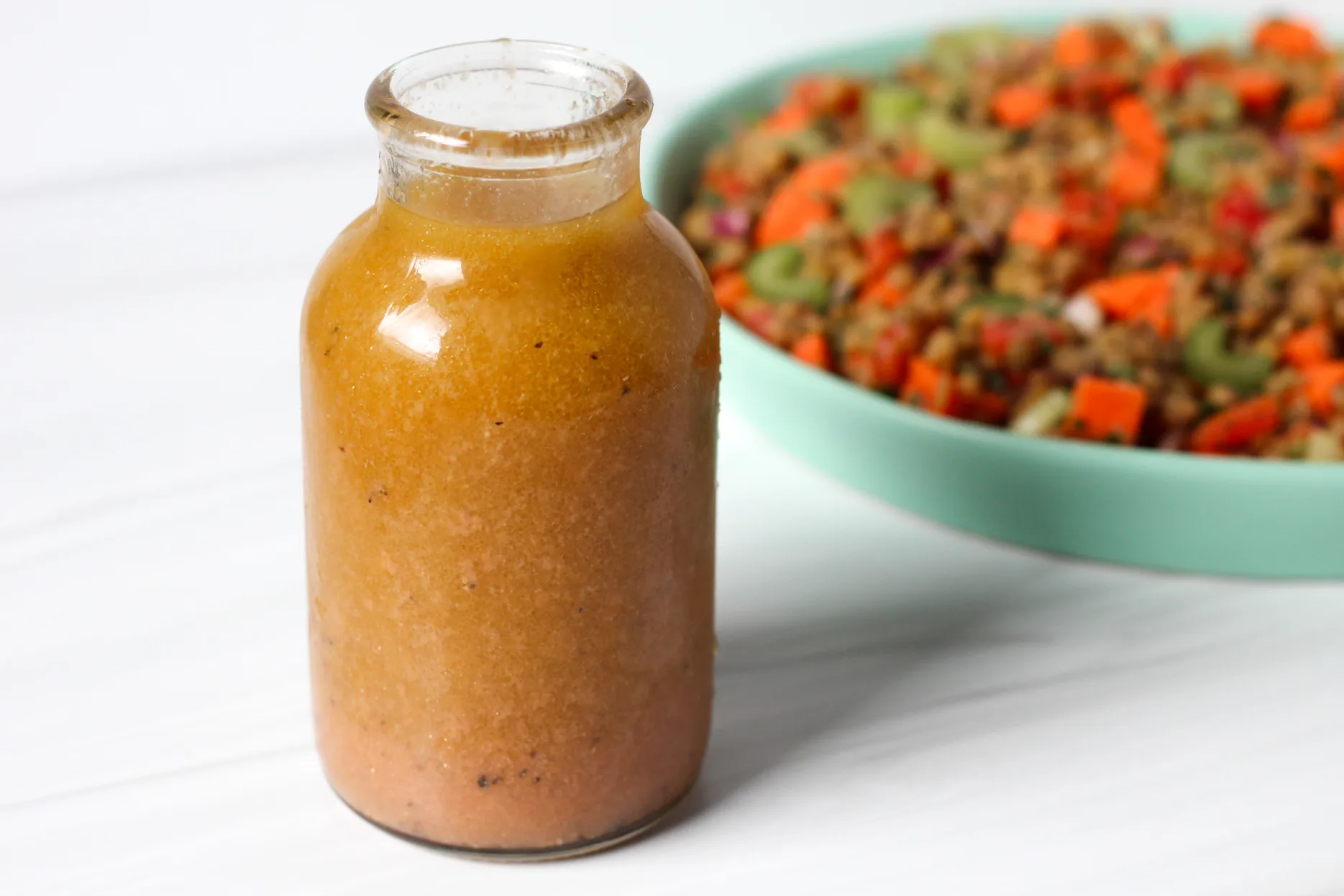
- Dinner – Try this Mediterranean Turkey Burgerusing chickpeas mixed with ground turkey to replace some saturated fat with unsaturated. For a fun, build-your-own style meal, these Salmon Tostadas provide a combination of unsaturated and saturated fat from salmon, avocados, cheese, and Greek yogurt or sour cream. For a sauce to liven up a dish, try this Almond Basil Pesto or Tahini Dressing for delicious flavor full of nutrition.
Regarding oils and fats used in cooking, aim to stick primarily to liquid options over solid in most cases. Aiming to use extra virgin olive oil as your go-to oil will help fit more unsaturated fats into your diet. See our pantry staples list for more oils to stock in your kitchen.
The Bottom Line
Fat isn’t something to villainize; it’s an essential part of a healthful eating pattern. Choosing primarily unsaturated fats (especially monounsaturated and omega-3s), limiting most types of saturated fats, and avoiding trans fats helps to support heart, brain, and overall health.